Canada’s Fishing Field Guide
The complete guide to fishing in Canada.
Licenses, seasons, species, gear, and the best local water — researched, curated, and organized so your next trip starts with a plan, not a guess.
2M+
Lakes in Canada
180+
Fish species
13
Provinces covered
60+
Curated spots
Community
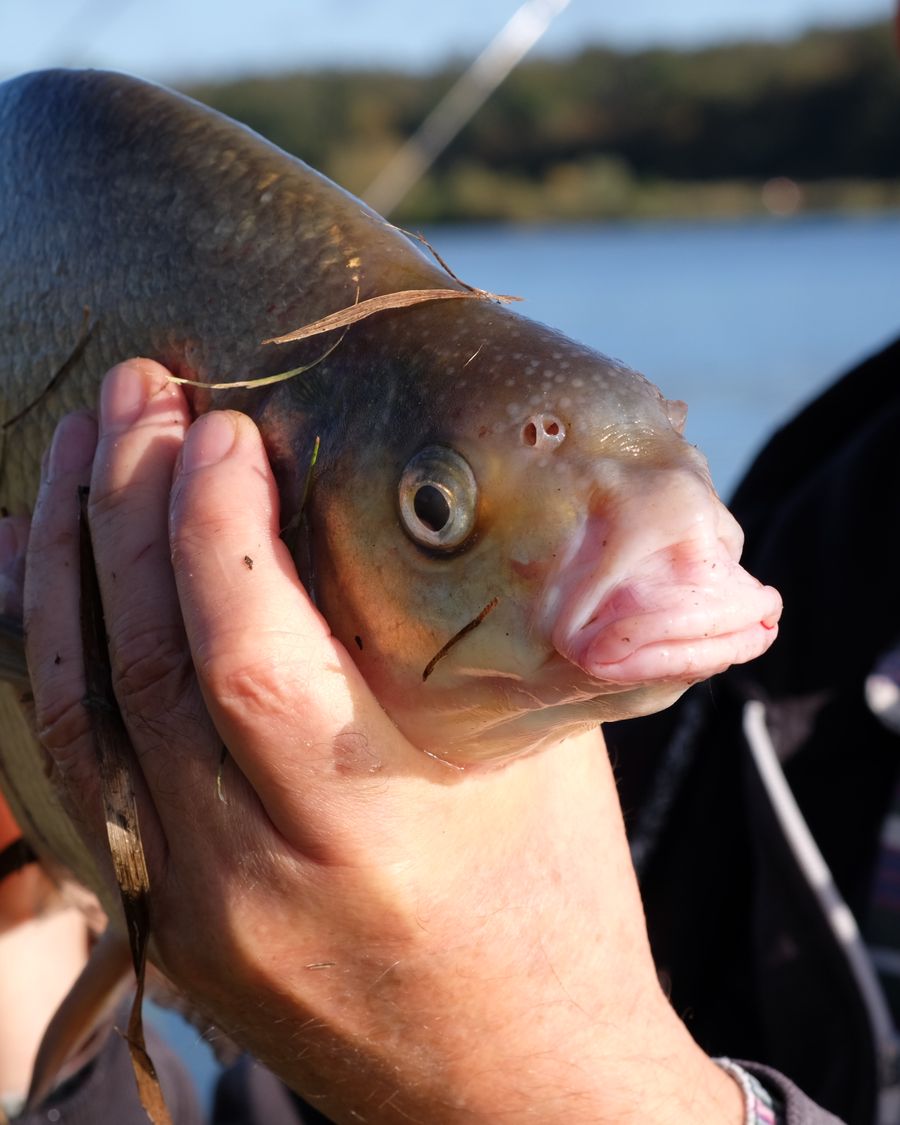
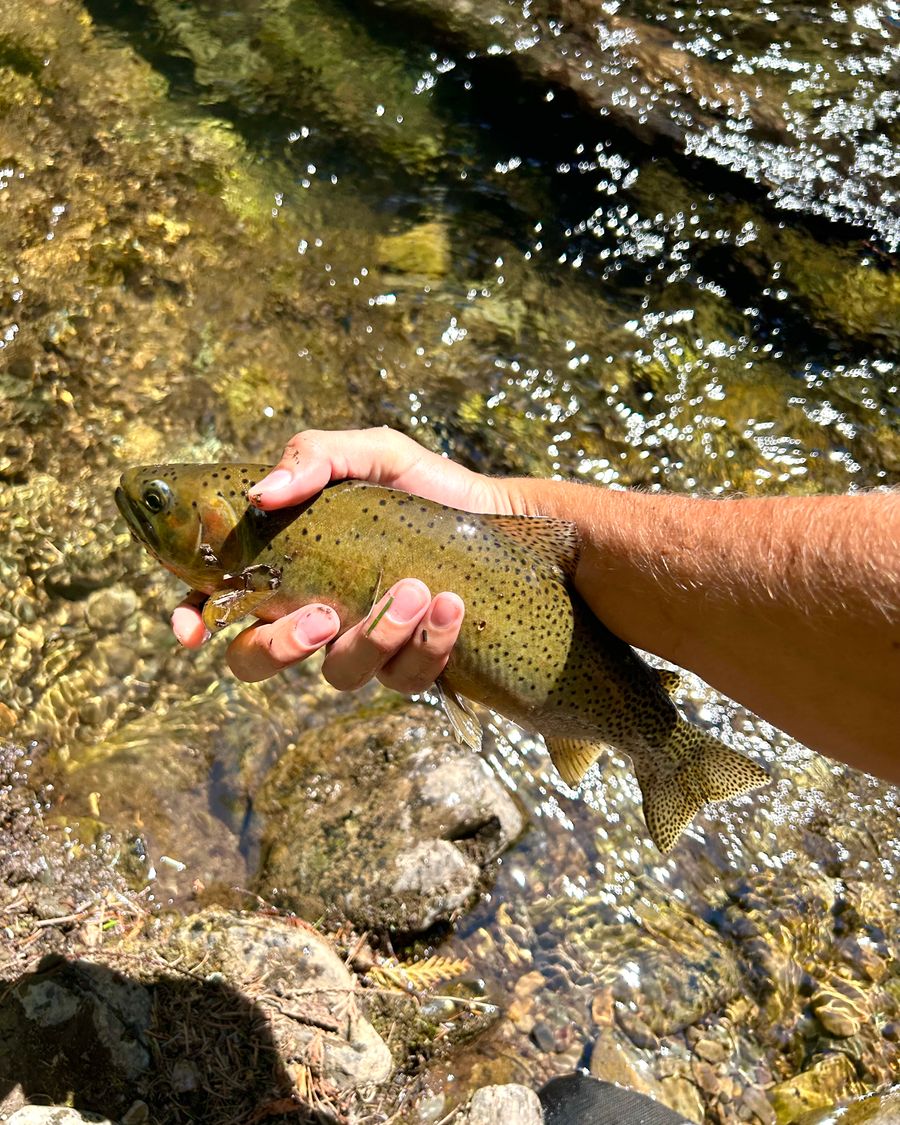
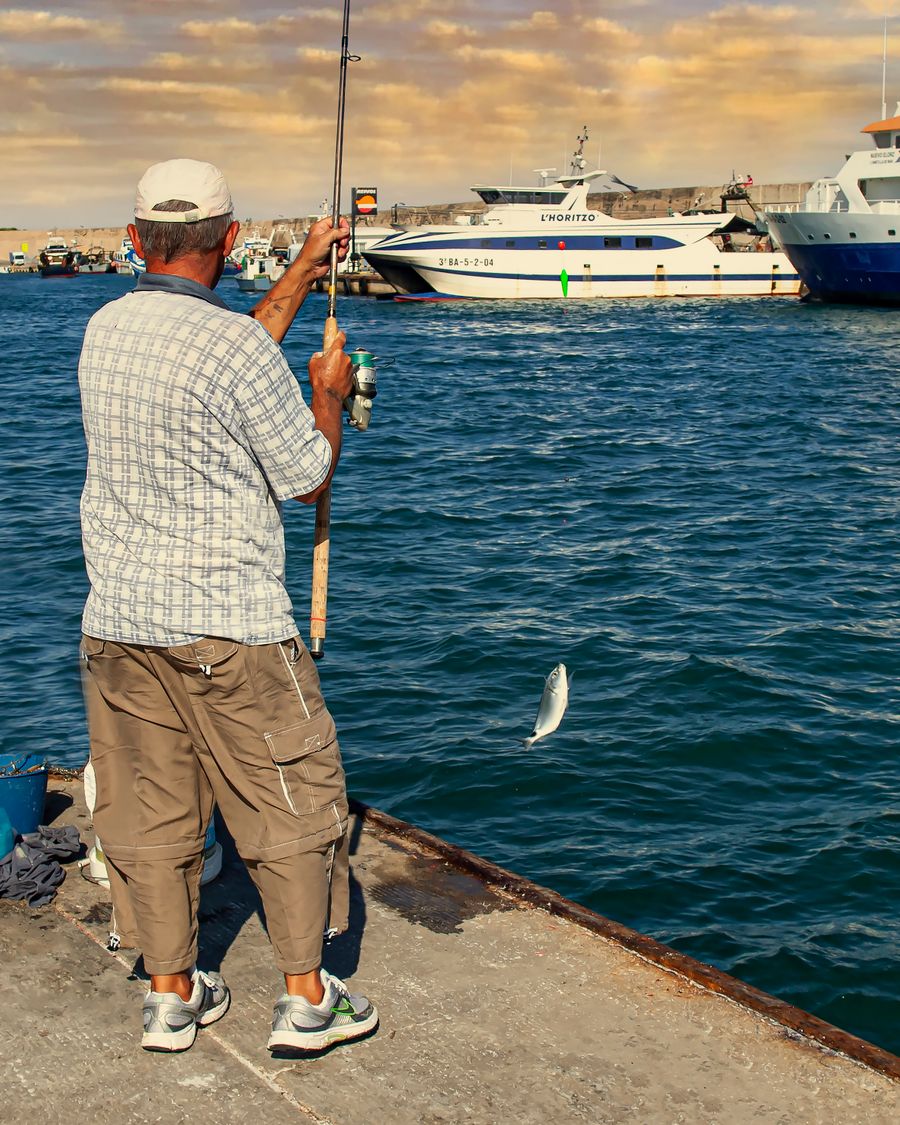
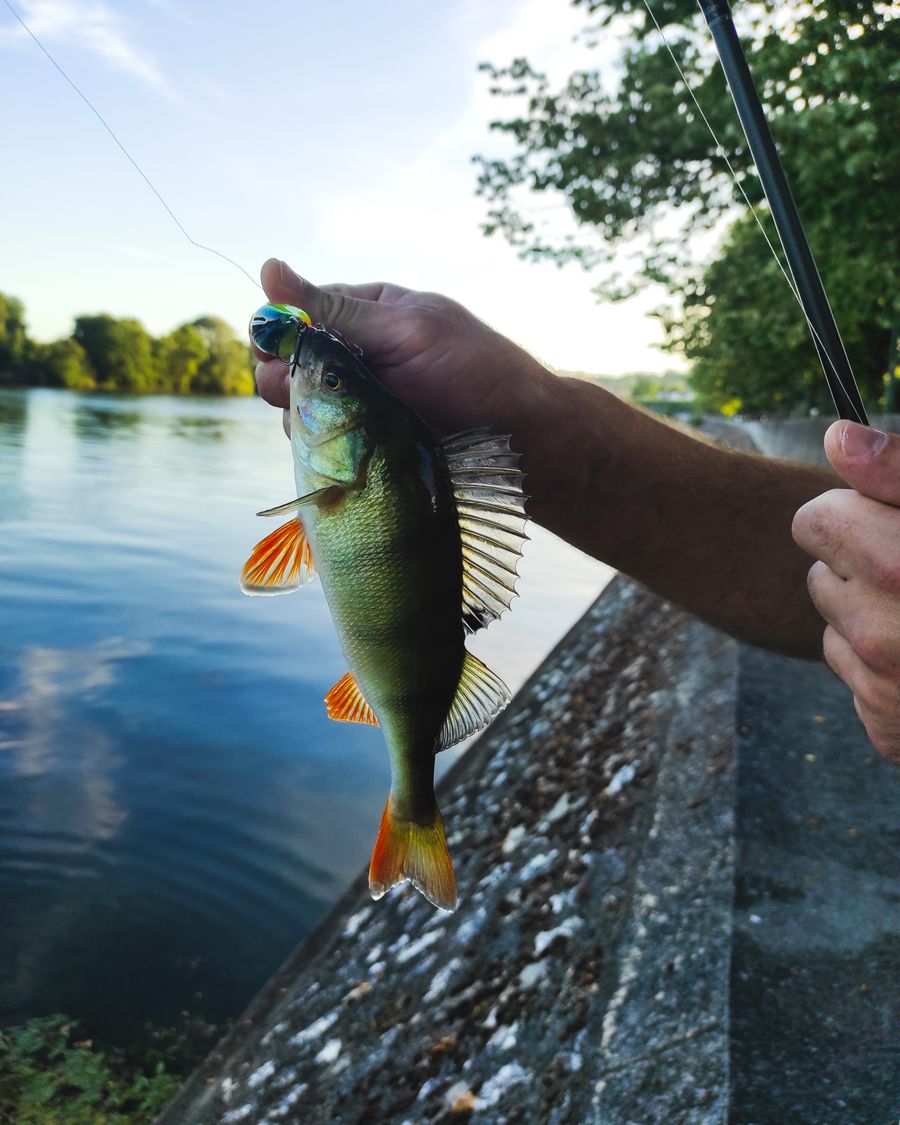
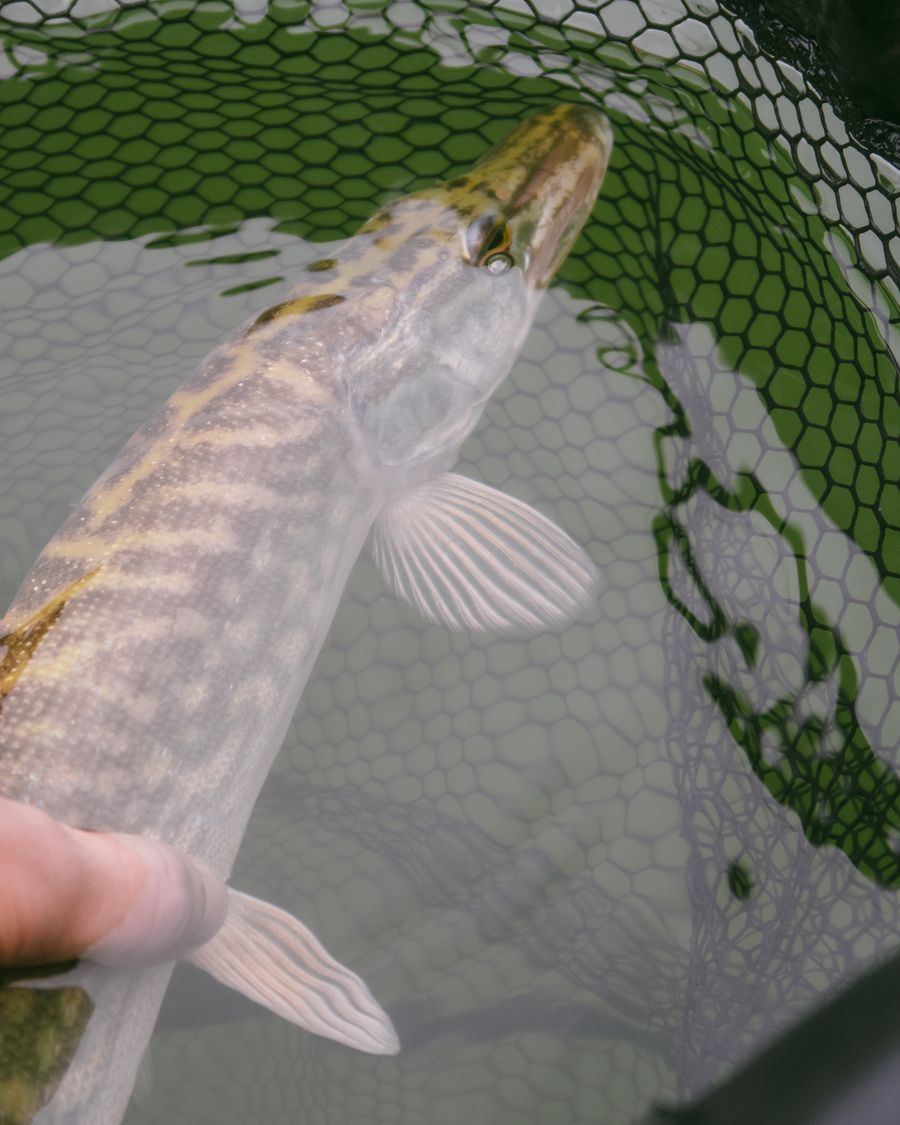
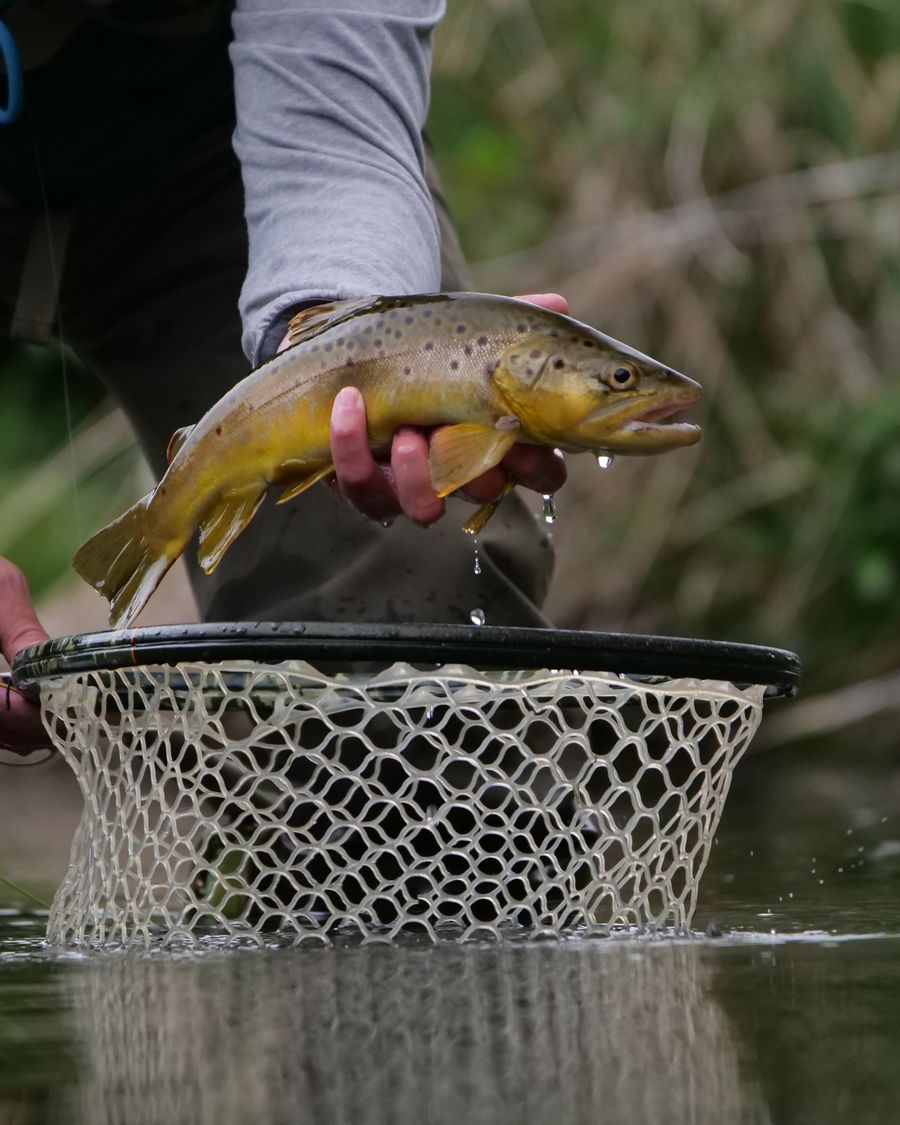
Latest catches from across Canada
Real anglers, real water. Swipe through recent community photos — tag us or send yours in to get featured on FishingBuddy.
Swipe the top card
01Start here
Everything you need to start fishing in Canada
A beginner-friendly path from legal setup to first confident cast.
01
Get legal first
Use the province-by-province license links below, then check the current rules for your exact waterbody before you go.
02
Pick the right water
Start with accessible piers, conservation areas, stocked ponds, urban rivers, and provincial parks before chasing remote lakes.
03
Match gear to species
Choose a simple spinning setup, small tackle box, and species-specific bait before upgrading into specialty rods or electronics.
04
Plan around seasons
Spring, summer, fall, and winter fishing all behave differently in Canada. Use the seasonal guide to time your trip.
05
Fish responsibly
Know possession limits, slot sizes, bait restrictions, invasive species rules, and safe catch-and-release handling.
06
Build local knowledge
Combine official regulations with local tackle shops, park pages, reports, and weather data for smarter decisions.
02 · Resource Hub
Use this as your home base before every fishing trip.
Fishing in Canada changes by province, season, species, and even by individual lake or river. This hub is built to help beginners make smart decisions quickly: where to start, what rules to check, what gear to bring, and how to fish safely.
Know the legal basics
Most anglers need a provincial or tidal license, and regulations can include seasons, bait rules, catch limits, slot sizes, and protected waters.
Read the license guideBuy a setup that actually fits Canada
A medium-light or medium spinning combo covers panfish, bass, trout, walleye, and pike better than most specialized beginner kits.
Compare beginner gearTarget fish that build confidence
Perch, sunfish, stocked trout, bass, and walleye are good early targets because they are widespread and respond to simple methods.
Browse fish speciesStart close, then explore farther
Urban shorelines, public docks, park ponds, and stocked lakes are often better first trips than remote water with unknown access.
Find city spots03Licenses & rules
Fishing licenses and regulations, province by province
Start with the official licensing page, then confirm rules for the exact lake, river, zone, or tidal area you plan to fish.
Ontario
Check Outdoors Card, sport/conservation license options, FMZ rules, seasons, slot sizes, and sanctuaries.
Ontario fishing rulesQuebec
Use Quebec's sport fishing portal for zone maps, species seasons, daily limits, and salmon-specific requirements.
Quebec sport fishingBritish Columbia
BC separates freshwater rules from tidal waters. Check freshwater licenses and DFO tidal licenses before fishing coastal areas.
BC licensesAlberta
Use AlbertaRELM and the current regulations guide for stocked lakes, trout streams, closures, and catch-and-release waters.
AlbertaRELM licensingManitoba
Check Manitoba's angling guide for license types, conservation limits, walleye rules, and northern lake regulations.
Manitoba fisheriesSaskatchewan
Review e-licensing and the anglers' guide for stocked trout waters, lake-specific rules, and provincial limits.
Saskatchewan anglingNova Scotia
Use the sportfishing page for inland licenses, trout seasons, striped bass notes, and special management areas.
Nova Scotia sportfishingNew Brunswick
Check e-licensing and the fish guide for inland waters, salmon rules, trout seasons, and tidal/non-tidal differences.
New Brunswick fishingPrince Edward Island
Review PEI angling information for family-friendly trout ponds, seasonal openings, and local conservation rules.
PEI angling infoNewfoundland and Labrador
Check inland fishery rules for trout, salmon licensing, retention limits, and waterbody-specific closures.
NL fishing rulesYukon
Review Yukon fishing licenses, stocked lake information, salmon restrictions, and special rules for northern waters.
Yukon fishingNorthwest Territories
Check NWT fishing licenses and regulations for trophy pike, lake trout, Arctic grayling, and remote-access waters.
NWT fishingNunavut
Confirm territorial and federal rules before planning Arctic char, lake trout, or remote community fishing trips.
Nunavut fishing04Seasons
What to expect throughout the fishing year
Fish move with water temperature, light, oxygen, food, and spawning cycles. Use this guide to know when fish come closer to shore, when they slide deeper, and what to try at different times of year.
The Simple Rule
Fish come shallow when the water is comfortable and food is nearby.
For shore anglers, the best windows are usually spring warming periods, early summer mornings, fall cool-downs, cloudy days, wind-blown banks, and evenings when baitfish move into shallower water.
Look for warmer water in spring
Dark-bottom bays, shallow coves, creek mouths, marinas, and north-facing shorelines warm first and attract baitfish.
Look for shade in summer
Fish often hold under docks, weed edges, bridge shade, deeper drop-offs, current, and oxygenated water.
Follow wind and baitfish
A steady wind blowing into a bank can push plankton and baitfish toward shore, bringing predators within casting range.
Fish low light first
Dawn, dusk, overcast skies, and light rain often make fish less cautious and more willing to move shallow.
March to May
Spring: fish move shallow as water warms
Spring is one of the best times for shore fishing because many species move from winter depths toward shallow, warmer areas. Fish can be sluggish early, then suddenly active after several sunny days.
- Expect fish near shallow bays, creek mouths, canals, marinas, rocks, and dark-bottom areas.
- Trout, pike, panfish, carp, and some bass can be close to shore, depending on local open seasons.
- Use slower presentations: small jigs, live worms, suspending jerkbaits, spinners, and bait under a float.
- Check regulations carefully because many bass, walleye, pike, and trout waters have spawning closures.
June to August
Summer: mornings, evenings, shade, and weeds
In summer, fish still come shallow, but usually during low light or when food, shade, or oxygen is there. Midday heat often pushes bigger fish deeper or tighter to cover.
- Expect better shore action at sunrise, sunset, after storms pass, and on cloudy or breezy days.
- Fish weed edges, docks, bridge shade, current seams, points, and deeper water close to shore.
- Panfish may stay shallow all day; bass often use weeds and docks; walleye usually bite best at low light.
- Use faster search baits early and late, then slow down with worms, jigs, soft plastics, or live bait midday.
September to November
Fall: feeding ramps up before winter
Fall can be excellent because cooling water brings baitfish and predators back into reachable zones. Fish often feed in bursts, and larger fish may become more active than they were in summer.
- Expect fish around points, rock banks, creek mouths, river mouths, weed edges, and shorelines with baitfish.
- Salmon and trout runs can bring fish very close to shore in some Great Lakes and coastal systems.
- Pike, bass, walleye, and trout often respond to bigger lures, spoons, crankbaits, swimbaits, and jigs.
- As water gets colder, slow your retrieve and focus on afternoons after the sun warms shallow water.
December to March
Winter: fish group up, but safety comes first
In winter, fish usually slow down and group near reliable food, oxygen, and depth changes. Shore access is limited in many places, but safe ice can open up productive water.
- Expect perch, trout, walleye, pike, and panfish near weed beds, points, basin edges, and drop-offs.
- Fish smaller baits, slower jigging strokes, and longer pauses because cold fish conserve energy.
- Early ice and late ice can be productive, but they are also the most dangerous times.
- Never assume ice is safe. Check local reports, go with experienced anglers, carry safety picks, and avoid current.
What water temperature usually means
0-4°C
Very cold water
Fish are slow, grouped up, and often near deeper wintering areas or stable water.
- Use tiny jigs, spoons, live bait where legal, and long pauses.
- Expect short bite windows rather than constant action.
5-10°C
Early spring movement
Fish begin shifting toward warmer shallows, especially after sunny afternoons.
- Check shallow bays, creek mouths, canals, riprap, and dark bottoms.
- Slow-roll spinners, small swimbaits, jerkbaits, or bait under a float.
11-16°C
Prime shallow window
Many fish become active near shore because bait, insects, and spawning activity increase.
- Great for shore anglers targeting panfish, bass, pike, trout, and carp.
- Try weed edges, warm pockets, docks, points, and current breaks.
17-22°C
Comfortable summer feeding
This is a strong activity range for many warmwater species, especially around low light.
- Fish morning and evening shorelines, weeds, rocks, docks, and wind-blown banks.
- Use topwater, soft plastics, crankbaits, jigs, worms, and spinners.
23°C+
Heat pushes fish selective
Warm water can push fish deeper, into shade, or into oxygen-rich current and vegetation.
- Fish early, late, or at night where legal and safe.
- Focus on shade, deeper access, current, healthy weeds, and cooler inflows.
When fish are most likely to come close to shore
Dawn and dusk
Low light makes predators more confident and moves baitfish shallower. This is often the most reliable shore-fishing window in summer.
- Try topwater, spinners, crankbaits, spoons, or bait near weed lines and points.
After several warm spring days
Shallow water warms faster than deep water. A few sunny days can pull fish into bays, canals, marinas, and shoreline cover.
- Look for water that is slightly warmer, stained, protected from wind, or full of bait.
Cloud, light rain, and wind
Cloud cover reduces light penetration, rain can add oxygen, and wind can push food toward one bank.
- Fish the wind-blown side if it is safe to cast and stand there.
Fall cool-downs
As water cools from summer highs, baitfish often gather and predators feed more aggressively before winter.
- Cover water with spoons, jerkbaits, swimbaits, crankbaits, and jigs until you find bait.
05Species
Beginner species and what to use
Choose a target species first. It makes location, timing, bait, and gear decisions much easier.
Perch, sunfish, crappie
Great for families and first trips because they school up and take simple bait.
- Light spinning rod, 4-8 lb line
- Small hooks, bobber, split shot
- Worm pieces, small jigs, micro spinners
Bass
Smallmouth and largemouth bass are exciting, accessible, and common across many Canadian waters.
- Medium spinning rod, 8-10 lb line
- Soft plastics, tube jigs, spinnerbaits
- Focus on rocks, weeds, docks, and fallen trees
Walleye
Best at low light and often found around points, reefs, current seams, and drop-offs.
- Medium-light spinning rod, 8-10 lb line
- Jig and minnow, worm harness, crankbait
- Dawn, dusk, cloudy days, and current are your friends
Trout
Stocked trout lakes are excellent for beginners; wild trout streams require more stealth and local knowledge.
- Light rod, 4-8 lb line
- Small spoons, inline spinners, flies, worms where legal
- Target cool water, shade, inflows, and spring/fall windows
Pike
Northern pike are aggressive and beginner-friendly, but they need stronger leaders and careful handling.
- Medium rod, 10-15 lb line
- Wire or heavy fluorocarbon leader
- Spoons, jerkbaits, spinnerbaits, large swimbaits
Salmon and saltwater species
BC and Atlantic Canada add tidal licenses, marine area rules, and species-specific retention rules.
- Confirm tidal license and DFO area rules
- Use local tackle advice for run timing
- Check retention, barbless hook, and size rules
06 · Before You Leave
Canadian fishing trip checklist
Use this quick checklist to turn a search like "fishing near me" into a safer, more successful trip.
Rules and access
- License purchased for the correct province or tidal area
- Waterbody, zone, season, bait, and possession rules checked
- Public access, parking, hours, and park rules confirmed
Gear and tackle
- Rod, reel, line, hooks, sinkers, bobbers, lures, and bait
- Pliers, net, measuring tape, knife, and small tackle box
- Life jacket for boats, current, kids, and cold water
Weather and safety
- Weather, wind, water levels, fire bans, and storm risk checked
- Phone charged, route shared, first aid kit packed
- For ice: local ice report, safety picks, rope, and buddy system
Conservation
- Wet hands before handling fish and minimize air time
- Know which fish you will keep and which you will release
- Clean, drain, and dry gear to reduce invasive species spread
07Locations
Top fishing cities, spot by spot
Sixty hand-picked urban fishing spots across six Canadian cities — each with its target species, plus the local shops that know the water.
Ottawa
Peak: May - October
Top Fishing Spots
Petrie Island
Walleye, Pike
Morris Island
Pike, Muskie
Shirley's Bay
Bass, Perch
Dick Bell Park
Carp, Bass
Windsor Park
Trout, Catfish
Dow's Lake
Panfish, Bass
Mooney's Bay
Pike, Perch
Hog's Back Falls
Smallmouth
Champlain Bridge
Brown Trout
Black Rapids
Walleye, Bass
Smallmouth Bass
Pike
Walleye
Muskie
Fishing Stores
Toronto
Peak: April - November
Top Fishing Spots
Toronto Islands
Pike, Bass
Ashbridges Bay
Perch, Crappie
Humber Bay Park
Salmon, Trout
Grenadier Pond
Largemouth
G. Ross Lord Park
Rainbow Trout
Colonel Sam Smith
Carp, Pike
Marie Curtis Park
Salmon Run
Bluffer's Park
Trout, Bass
Highland Creek
Steelhead
Tommy Thompson
Pike, Carp
Chinook Salmon
Rainbow Trout
Carp
Bass
Fishing Stores
Montreal
Peak: May - November
Top Fishing Spots
Lachine Rapids
Muskie, Pike
Parc des Rapides
Sturgeon
Île Bizard
Bass, Pike
Cap-Saint-Jacques
Perch, Bass
Canal Lachine
Carp, Catfish
Bassin Peel
Pike, Walleye
Parc Angrignon
Trout, Bass
Pointe-aux-Trembles
Sturgeon
Jean-Drapeau
Various
Old Port Pier
Perch, Bass
Muskie
Northern Pike
Sturgeon
Walleye
Fishing Stores
Vancouver
Peak: Year-round
Top Fishing Spots
Ambleside Pier
Dungeness Crab
Garry Point Park
Salmon
Jericho Pier
Crab, Sole
Vanier Park
Salmon, Perch
Steveston Pier
Halibut
Capilano River
Coho, Steelhead
Barnet Marine
Pink Salmon
Iona Beach
Sturgeon
Spanish Banks
Crab, Flounder
Deep Cove
Rockfish
Chinook Salmon
Coho Salmon
Halibut
Lingcod
Fishing Stores
Calgary
Peak: June - September
Top Fishing Spots
Bow River - Inglewood
Brown Trout
Fish Creek Park
Rainbow Trout
Glenmore Reservoir
Pike, Whitefish
Prince's Island
Rainbow Trout
Policeman's Flats
Brown, Rainbow
McKinnon Flats
Large Browns
22X Bridge
Trophy Trout
Carburn Park
Rainbow Trout
Shouldice Park
Brown Trout
Bowness Park
Whitefish
Rainbow Trout
Brown Trout
Bull Trout
Whitefish
Fishing Stores
Halifax
Peak: May - October
Top Fishing Spots
Halifax Waterfront
Mackerel
Point Pleasant
Striped Bass
Eastern Passage
Flounder, Cod
Sambro Harbour
Pollock
Dingle Park
Flounder
Chocolate Lake
Brook Trout
Albro Lake
Chain Pickerel
Bedford Basin
Striped Bass
Shubie Park
Trout, Perch
Long Lake
Smallmouth
Mackerel
Striped Bass
Flounder
Brook Trout
Fishing Stores
08Learn
Beginner tutorials
Curated video guides from experienced Canadian anglers — casting, knots, setup, and seasonal technique.
Getting Started
Complete Beginner's Guide to Fishing
Everything you need to know to start fishing - gear, techniques, and tips for your first successful fishing trip.
Equipment
How to Set Up Your First Fishing Rod
Step-by-step guide to assembling your rod, reel, and line. Perfect for absolute beginners.
Techniques
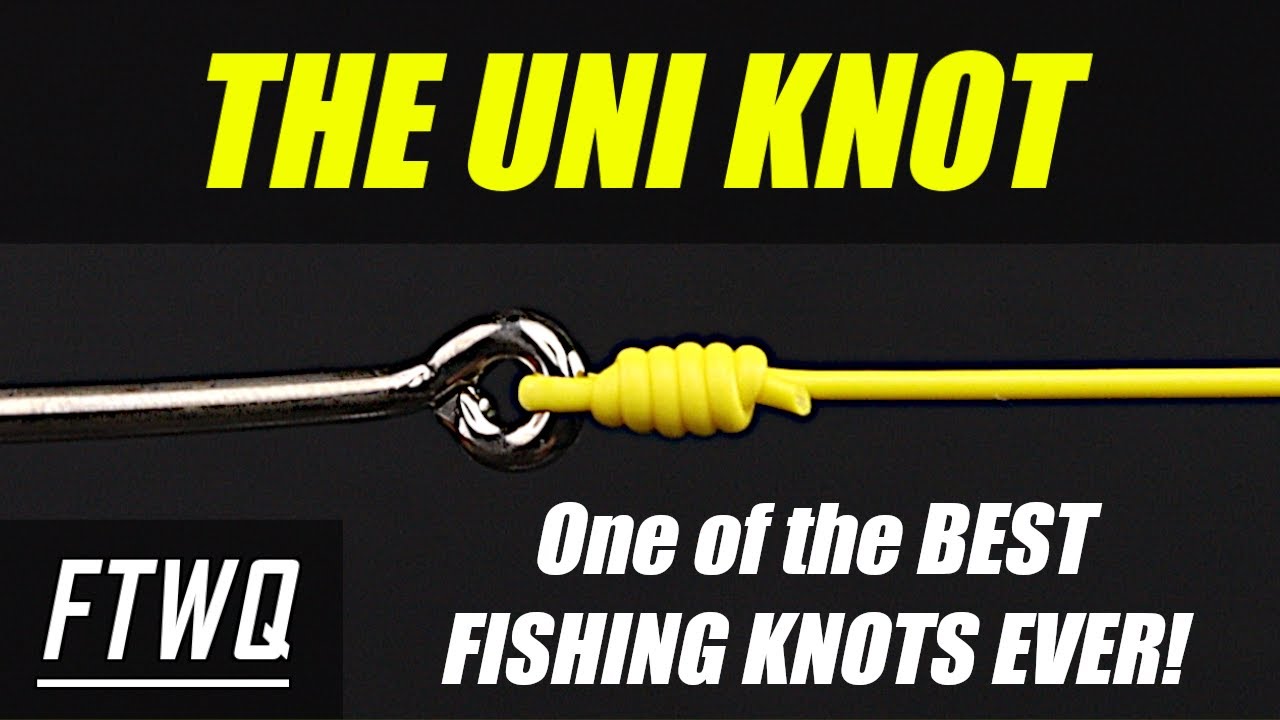
5 Essential Fishing Knots Every Angler Needs
Master the most important fishing knots including the improved clinch knot and Palomar knot.
Techniques
7 Tips For Alberta Anglers
Essential tips and techniques for Canadian fishing including casting, bait selection, and finding fish.
Techniques
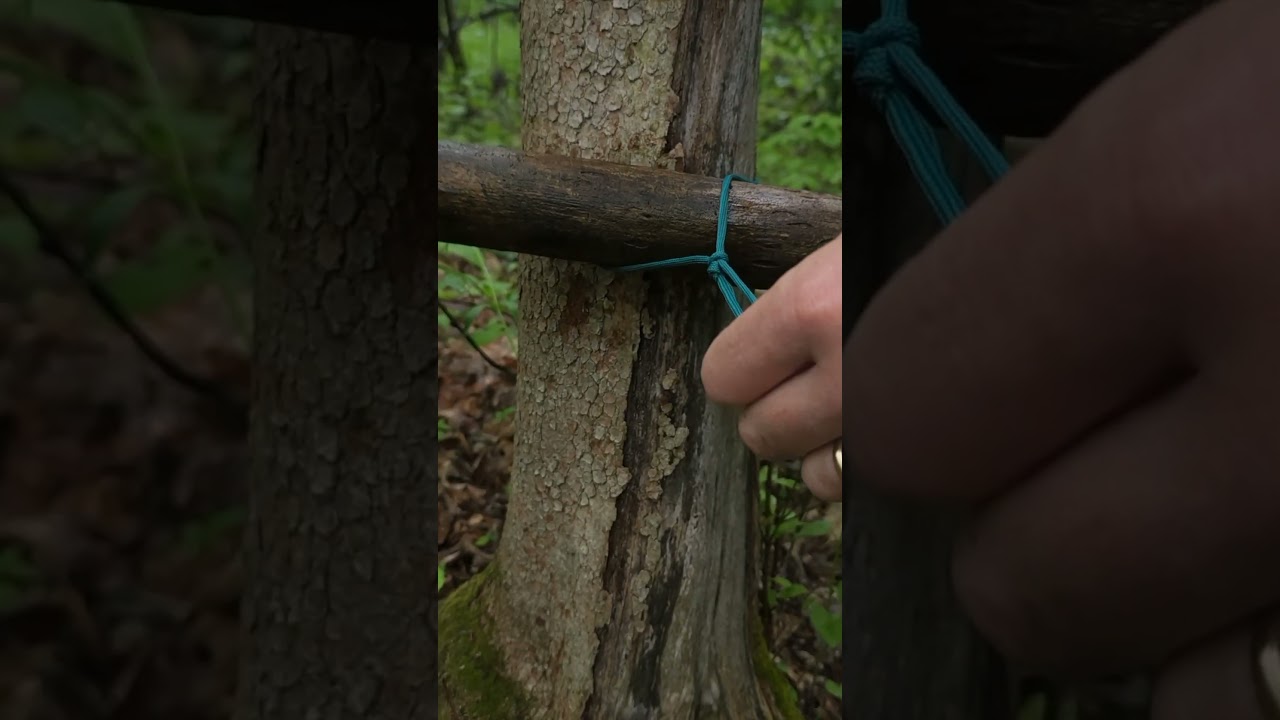
The Canadian Jam Knot
Learn to tie the famous Canadian Jam Knot - a strong and reliable knot for Canadian fishing conditions.
Seasonal
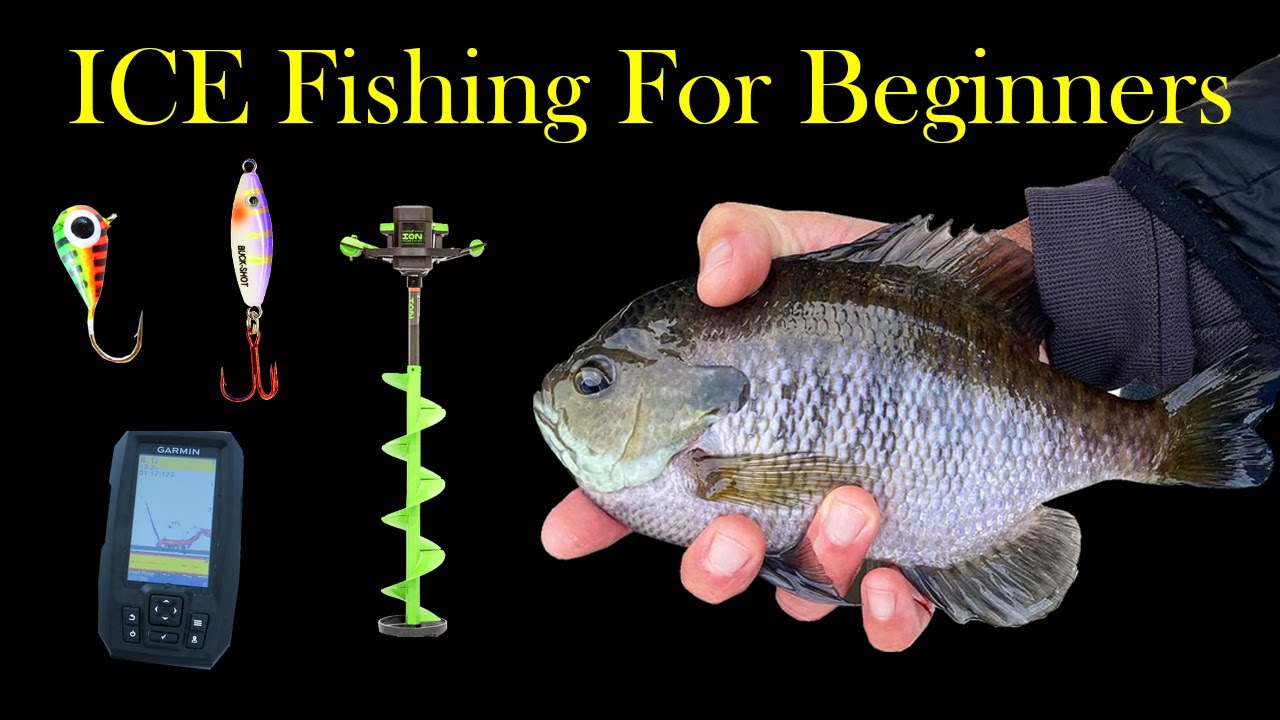
Ice Fishing Basics For Beginners
Complete guide to ice fishing including equipment, techniques, safety, and how to get started.
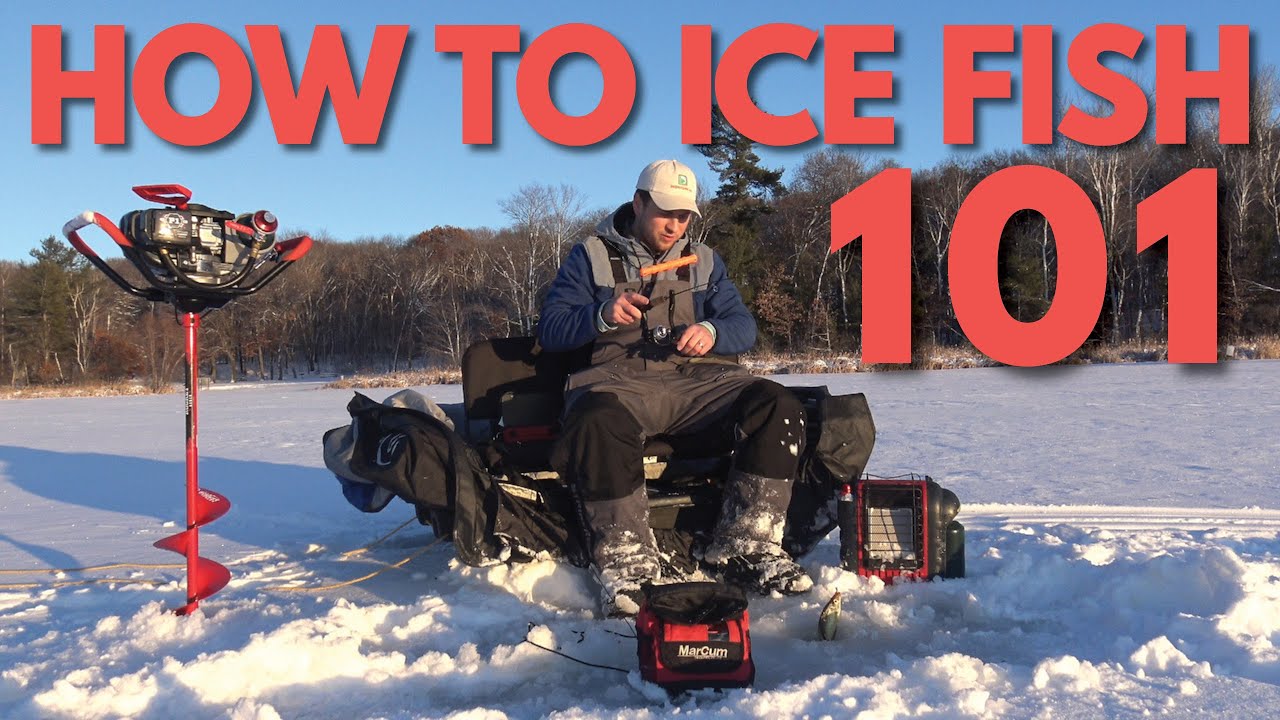
Seasonal
How to Ice Fish - Beginner Ice Fishing 101
Learn ice fishing fundamentals including gear setup, finding fish under ice, and winter safety.
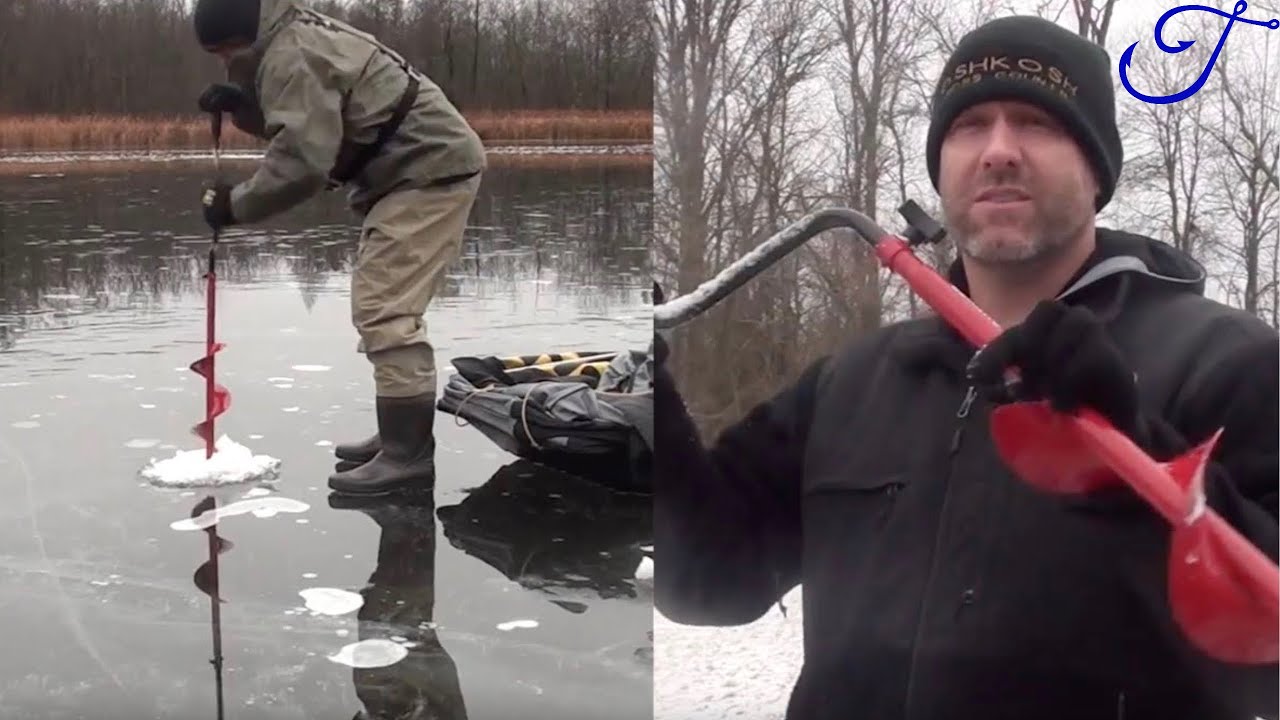
Equipment
Ice Fishing Equipment for Beginners
Essential ice fishing gear including rods, reels, augers, and shelters for winter fishing success.
Species
Ice-fishing for Brook Trout: Quick Tips
Specialized techniques for targeting brook trout through the ice with proven tips and tactics.
09FAQ
Common questions
Quick, straight answers to the questions every new Canadian angler asks.
It depends on your age and province — there is no single Canada-wide rule. In Ontario, for example, most residents aged 18–64 need an Outdoors Card plus a fishing licence, while anglers 17 and under can generally fish without one. Other provinces set different age and residency rules. Resident licences typically cost $25–$50. Verified July 14, 2026 — always confirm with your province's official regulations before fishing.
Dawn and dusk are prime time. Fish are more active in cooler water and lower light. Overcast days can be productive all day.
$75-150 gets you started right. Rod and reel combo: $50-100, basic tackle: $20-30, fishing line: $10-15.
Panfish (perch, bluegill, crappie) are perfect starters. They're abundant, bite readily, and don't need special gear.
Start with local conservation areas, provincial parks, and public piers. Apps like FishBrain and iFish show nearby spots with user reports. Visit local bait shops - they're goldmines of current fishing intel and often know which spots are producing.
Live worms are universal winners - nightcrawlers for larger fish, red worms for panfish. Minnows work great for walleye and bass. For lures, start with simple jigs, spinners, and spoons in silver or gold. Local bait varies by region and season.
Yes, especially for ice fishing (Dec-March). Summer fishing uses regular rods, but winter requires ice augers, tip-ups, and ice shelters. Spring and fall are great with standard gear, but pack layers - Canadian weather changes fast!
Wet your hands first to protect their slime coat. Support the fish horizontally, avoid touching gills. For catch-and-release, use barbless hooks, minimize air time, and release in calm water. Take photos quickly, then get them back home.
There is no universal Canadian limit — size and bag limits are set per province, and often per zone or individual water body. Typical daily limits fall between 2 and 6 fish depending on the species and your licence type, but the only reliable answer is the current regulation for your exact location. Verified July 14, 2026 — check your provincial regulations before keeping fish.
Absolutely! Ice fishing is huge in Canada (Dec-March). You'll need an ice auger to drill holes, tip-ups or jigging rods, and warm shelter. Start on popular lakes where others fish - it's safer and more social. Many outfitters offer ice fishing packages for beginners.
Always tell someone your fishing plans and expected return. Wear a life jacket near deep water. Check weather forecasts and ice conditions. Carry a first aid kit, whistle, and cell phone in waterproof case. Fish with a buddy when possible, especially when starting out.
Use a sharp fillet knife, cutting board, and running water. YouTube has excellent tutorials for each species. Popular Canadian preparations: beer batter for perch, grilled trout with lemon, pickled northern pike. Start simple - fresh fish with butter, salt, and pepper is amazing.
Lakes are calmer, better for beginners, with fish near structure (fallen trees, weed beds). Rivers have current, which brings food to fish but requires different techniques. River fish are often more aggressive. Start with small lakes, then progress to rivers as skills develop.
Fish are more active before storms (low pressure) and during stable weather. Water temperature matters - fish are deeper in hot weather, shallower in spring/fall. Cloudy days often mean all-day fishing opportunities. Wind can be good (creates current and oxygen) but makes casting harder.
Using too heavy tackle, being too loud/active, not matching bait to fish species, fishing only sunny midday hours, and not checking drag settings. Also: bringing too much gear initially, not learning basic knots properly, and getting discouraged after a few fishless trips.
Start with easy-to-catch fish like bluegill using simple bobber rigs. Pack snacks, games, and keep trips short (2-3 hours max). Let them help with baiting hooks and landing fish. Many provinces offer free youth licenses and beginner programs. Make it fun, not about catching fish.
Join local fishing clubs, take guided trips, and watch Canadian fishing YouTubers like Uncut Angling. Bass Pro Shops and Cabela's offer free seminars. Online forums like FishingBC and OntarioFishing have active communities. Practice makes perfect - every trip teaches you something new.